
Matcha Made in Heaven 💚
From centuries-old Japanese tradition to your favourite café – and your kitchen at home
It’s green. It’s creamy. It looks fantastic in a glass.
And, somehow, matcha has gone from something most of us had barely heard of to one of the biggest drinks trends around.
You’ve probably spotted it on café menus, all over Instagram and TikTok, in supermarkets and increasingly in kitchen cupboards at home.
But it isn’t actually new.
Far from it.
Behind today’s colourful matcha lattes is a centuries-old Japanese tradition, a fascinating way of producing tea and a flavour that is rather more complex than its bright green appearance might suggest.
So, whether you’re already a convert, you’re thinking about trying it at home, or you’re a café looking for something new for the menu, let’s take a closer look at what makes matcha so special.
🍵 So, what exactly is Matcha?
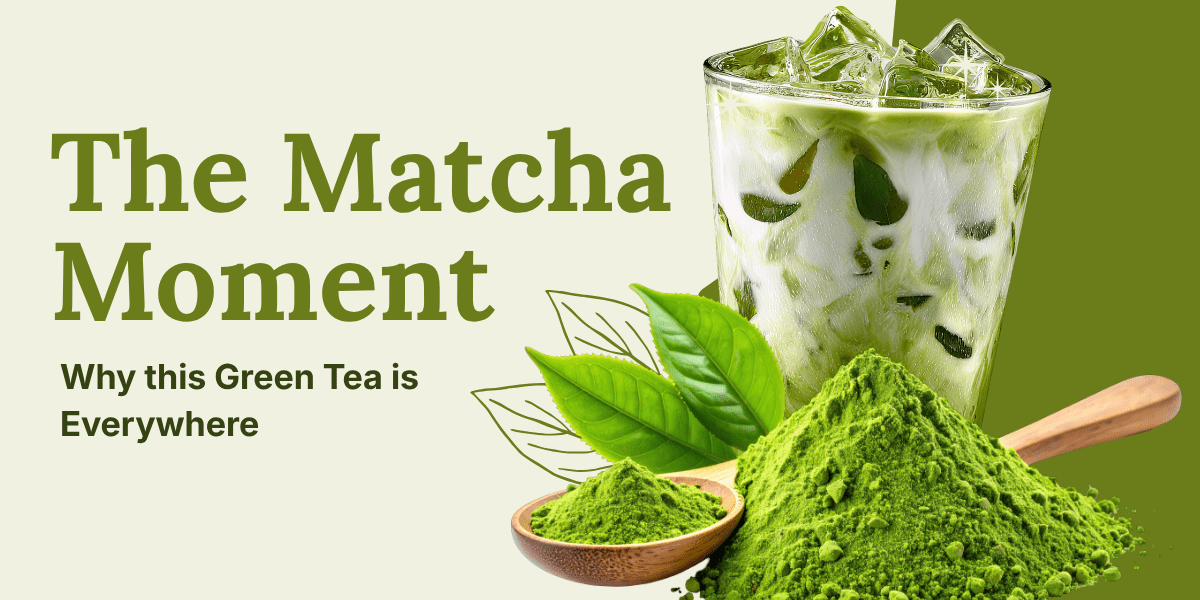
A finely ground powder made from specially grown green tea leaves.
The important difference between matcha and ordinary green tea is what happens when you drink it.
With conventional green tea, you steep the leaves in hot water and then remove them.
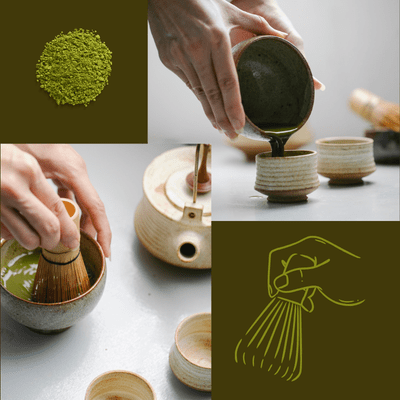
With matcha, the leaves are ground into a very fine powder which is whisked into water or milk.
You’re drinking the tea leaf itself.
This gives the tea its distinctive texture, colour and flavour.
A good matcha can be fresh and grassy, slightly sweet, earthy and wonderfully savoury thanks to its natural umami character.
And yes, that vivid green colour is completely part of the appeal.
🌱 Why so green?
The story starts well before the powder reaches your cup.
Tea plants destined to become matcha are traditionally shaded for several weeks before they’re harvested. This changes the plant’s development and contributes to the vibrant green colour and distinctive flavour of the finished tea.
After harvesting, the leaves are processed and dried before being ground into the incredibly fine powder we know as matcha.
Traditionally, this was done using stone mills.
So the next time you’re enjoying a matcha latte, you’re enjoying something with a history that stretches back hundreds of years.
Not bad for something that currently looks very at home next to an oat milk latte.
🗾From Japanese tea ceremony to modern café culture
Matcha has deep roots in Japanese culture and has long been associated with the Japanese tea ceremony, where the preparation and presentation of the tea are as important as the drink itself.
Today, its being enjoyed in a very different way.
You might find it:
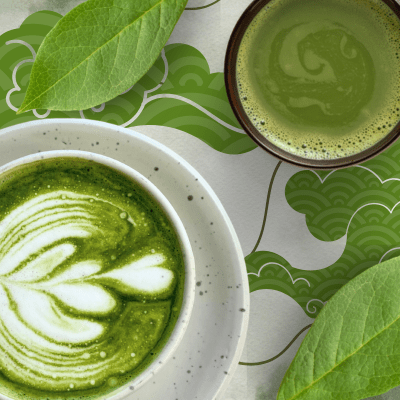
- Whisked traditionally with water
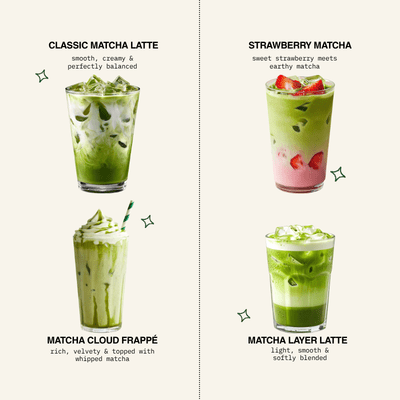
- Made into a creamy latte
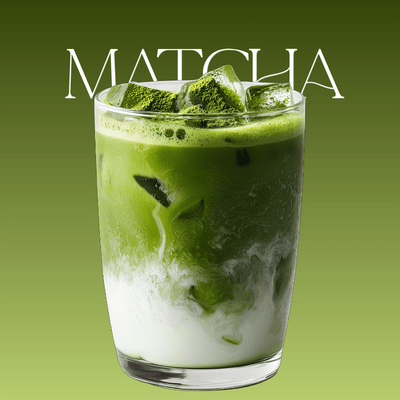
- Served over ice
- Combined with vanilla or coconut
- Blended into frappés and smoothies
- Used in cakes, desserts and other recipes
The modern movement hasn’t replaced the tradition.
It’s simply found a whole new audience.
💚 Matcha at home
One of the best things about matcha is that you don’t need to visit a specialist tea house to enjoy it.
A good one can become a surprisingly easy little ritual at home.
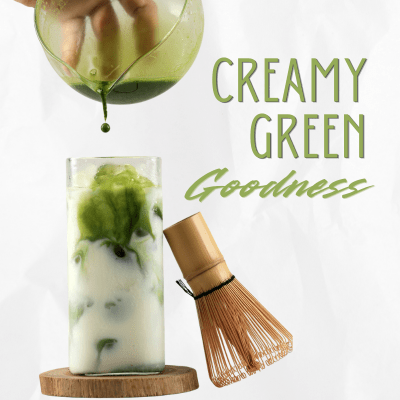
For a simple matcha latte, whisk with a small amount of hot water until smooth and lightly frothy, then add your favourite milk. That’s it.
You can enjoy it hot on a chilly morning or pour it over ice for something refreshing when the weather warms up.
And, just like coffee, there is plenty of room to experiment. Try adding:
Vanilla for a softer, sweeter drink.
Coconut for a tropical twist.
Honey for natural sweetness.
Strawberry for a fruity combination that looks almost too good to drink.
Or keep it simple and let the matcha do the talking.
☕ Matcha doesn’t have to replace your coffee
Here’s something we think gets overlooked in the matcha conversation.
You don’t have to choose.
Being a coffee lover doesn’t mean you can’t enjoy something different.
Some days call for a beautifully made cappuccino. Other days you might fancy an iced matcha.
They’re completely different drinks, with completely different personalities.
And that’s part of the fun of having a well-stocked kitchen.
Coffee for one moment.
Tea for another.
Matcha when you fancy something a little different.
Life’s little luxuries don’t have to compete with each other.
🏡 Making matcha part of your café-at-home routine
There’s something particularly satisfying about making a café-style drink yourself.
You get to choose the ingredients, experiment with flavours and make it exactly how you like it.
And matcha is perfect for that.
Once you’ve got the basics, you can start experimenting with your own combinations and find your favourite.
Want it stronger? Add more powder.
Creamier? Change your milk.
Sweeter? Add a little syrup.
Iced? Pour it over plenty of ice.
It’s less about following a strict recipe and more about discovering your matcha.
☕ And for our wholesale customers…
If you run a café, restaurant, hotel, bakery or other hospitality business, you’ve probably noticed this green delight appearing everywhere.
There’s a good reason.
Customers are increasingly looking beyond the traditional coffee menu and looking for interesting drinks, new flavours and something a little different.
Matcha gives you another way to do exactly that.
But you don’t need to turn your menu into an encyclopaedia.
A couple of well-made drinks can be enough.
A classic matcha latte.
An iced matcha.
Perhaps a seasonal special.
And suddenly you’ve got another reason for customers to try something new.
🍰 Matcha and food: an underrated combination
Matcha isn’t only about drinks.
Its earthy, slightly savoury flavour works particularly well with sweeter foods.
Think:
White chocolate + matcha
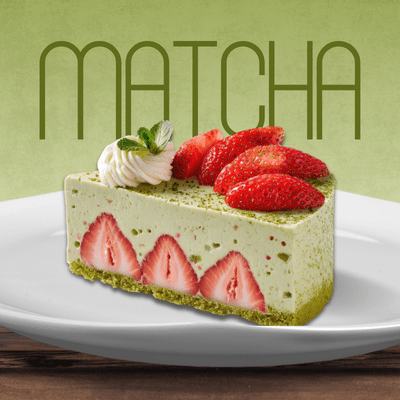
Strawberry + matcha
Vanilla + matcha
Coconut + matcha
Matcha + pastries and cakes
That creates opportunities for both cafés and home bakers.
A matcha latte alongside a sweet pastry can make a particularly good combination, while matcha itself can be incorporated into everything from cookies and cakes to cheesecakes and desserts.
And if you’re creating your own café specials, matcha gives you plenty of scope to get creative.
📸 Yes, it looks good. But make sure it tastes good too.
We can’t ignore the obvious.
Matcha is very photogenic.
That brilliant green colour, particularly when layered with milk or poured over ice, practically begs to be photographed.
But a drink shouldn’t become popular simply because it looks good on Instagram.
The real test is whether someone enjoys it enough to order another one.
That’s true whether you’re making it for a customer in a café or making one for yourself at home.
Good-looking is nice. Great-tasting is better.
🌿 Is Matcha just another trend?
Perhaps the biggest misconception is that it is a new trend.
The boom might be new to many of us, but matcha itself certainly isn’t.
Its history goes back centuries.
What’s changed is how accessible it has become and how many people are discovering it for the first time.
And with consumers becoming increasingly interested in different flavours, café-style drinks and products they can enjoy at home, it’s easy to see why it has found such a receptive audience.
Whether its current popularity continues at quite this pace is impossible to predict.
But matcha itself?
It’s been around for a very long time.
💚 So, are you ready to give matcha a try?
Perhaps you’ve already discovered your perfect order.
Perhaps you’re a committed coffee drinker who has so far remained firmly on the sidelines.
Or perhaps you’ve been looking at that bright green drink on your friend’s table thinking:
“What actually is that?”
Now you know.
Matcha is tradition, flavour, experimentation and a little bit of café culture all rolled into one.
Make it at home.
Order it when you’re out.
Experiment with flavours.
Or, if you’re a hospitality business, discover what your customers think of it.
Because whether you’re behind the coffee machine or standing in your own kitchen, there’s always room to try something new.
And who knows?
Your next favourite drink might just be green.
Matcha made in heaven? We think so. 💚☕
Matcha FAQs
Is it the same as green tea?
Not quite. Matcha and green tea both come from the Camellia sinensis plant, but matcha is made by grinding specially cultivated tea leaves into a fine powder. With ordinary green tea, the leaves are steeped and removed; with matcha, the powdered tea is consumed as part of the drink.
What does it taste like?
Matcha has a distinctive flavour that’s difficult to compare directly with coffee or ordinary tea. It can be grassy, fresh, slightly sweet and earthy, with a savoury umami character. Milk, vanilla and other flavours can soften or complement it.
How do you make a matcha latte?
Whisk with a small amount of hot water until smooth and lightly frothy, then add your choice of milk. For an iced matcha latte, pour the mixture over ice before adding cold milk.
Can you make it at home?
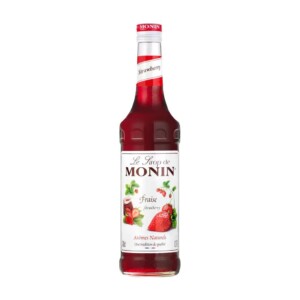
Absolutely. You don’t need a professional café setup. Matcha powder, hot water and your preferred milk are enough to make a simple matcha latte. Once you’ve mastered the basics, you can experiment with flavours such as vanilla, coconut or strawberry.
Is it naturally green?
Yes. The vibrant green colour comes from the tea leaves and the way they’re cultivated and processed. Matcha’s colour is one of its most recognisable characteristics.
Can you drink matcha without milk?
Yes. it can be whisked with water and enjoyed on its own. A matcha latte simply combines it with milk to create a creamier, softer drink.
Can cafés use matcha?
Definitely. Matcha can be used in hot and iced drinks, frappés, smoothies and desserts. For cafés, it can provide an alternative to the traditional coffee and tea menu and give customers another reason to try something new.